


 日本語
日本語 Español
 Deutsch
 عربى
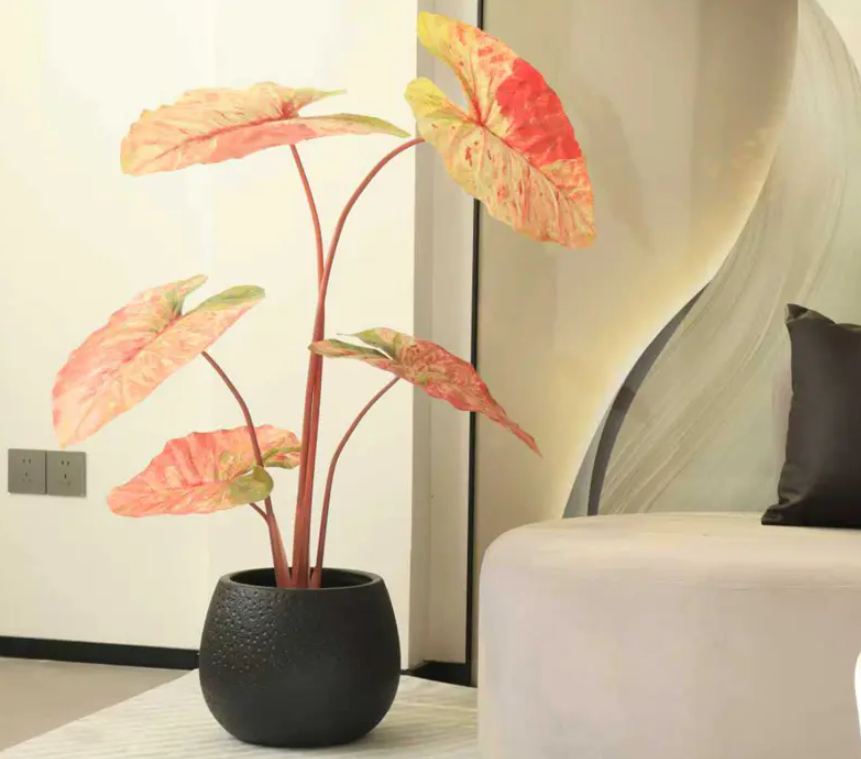
عربىModern living spaces are increasingly shaped by flexible layouts, open floor plans, and a growing interest in indoor greenery. Within this context, the Plastic Flower Pot has moved beyond a purely decorative role and is now expected to solve practical problems related to plant support, placement, and long-term use. The Spherical Floor-Standing Plastic Flower Pot reflects this shift by focusing on structural balance and adaptability rather than ornamental excess. Its rounded, gently tapered form and textured surface are not simply visual choices; they are closely tied to how the planter performs in daily environments.
What Makes Floor-Standing Planters Stable
Stability is a primary concern for floor-standing planters, especially when used for tall indoor plants such as snake plants or monstera. These plants tend to grow vertically, creating a higher center of gravity that can increase the risk of tipping. The spherical profile of this planter addresses that issue by distributing mass evenly around the base. Unlike narrow or sharply angled containers, the curved silhouette naturally lowers the visual and physical center of gravity once soil and plants are added.
The gently tapered lower section allows the pot to sit firmly on flat surfaces without relying on external stands or heavy reinforcements. This makes it suitable for placement in high-traffic areas such as living rooms, hallways, or near balcony doors, where accidental contact is more likely. For users concerned about pets or children brushing past indoor plants, this structural balance provides a practical layer of reassurance.
Textured Surfaces and Functional Grip
The tiny, dense bumps across the surface add more than subtle visual depth. From a functional perspective, this texture improves grip during handling and repositioning. Floor-standing planters are often moved to adjust lighting conditions or rearrange interior layouts, and smooth surfaces can become slippery, especially during watering or cleaning.
This tactile finish helps users lift and rotate the pot with greater control, reducing the chance of dropping or damaging both the planter and the surrounding floor. In balcony or semi-outdoor settings, the textured exterior also helps mask minor scuffs or marks that naturally occur over time, allowing the planter to maintain a consistent appearance.
Material Considerations for Daily Use
Plastic as a planter material is often chosen for its balance between weight and durability. In this case, the material allows the pot to remain light enough to move when empty, yet sufficiently sturdy once filled. This balance is especially relevant for renters or users who frequently update their interior arrangements and prefer planters that adapt easily to new spaces.
The material also responds well to indoor temperature changes and humidity levels. Unlike ceramic or clay, it is less prone to cracking when moved between environments, such as from a balcony into a heated room during colder months. This consistency supports long-term use without requiring special storage conditions.
Supporting Plant Health Through Design
While stability is the core feature, it indirectly contributes to plant health as well. A stable planter reduces the likelihood of root disturbance caused by tipping or frequent repositioning after minor accidents. For plants like monstera, which develop broad leaves and asymmetrical growth patterns, consistent positioning is important for balanced development.
The interior volume of the spherical form provides ample space for root expansion, supporting steady growth over time. This makes the planter suitable not only for newly potted plants but also for specimens that have already reached a moderate size and need a container that can accommodate further development.
Adapting to Different Living Scenarios
One of the practical advantages of this floor-standing design is its ability to integrate into varied environments without requiring additional accessories. In minimalist interiors, the soft edges and neutral structure complement clean lines and open spaces without drawing unnecessary attention. In more layered or eclectic rooms, the textured surface adds a quiet visual rhythm that works alongside wood, metal, or fabric elements.
Balconies benefit from the planters durability and weight distribution, especially in partially exposed areas where wind or uneven flooring may be factors. Its form allows it to be placed directly on the floor without the need for brackets or fixed supports, offering flexibility for seasonal rearrangement.
Maintenance and Long-Term Practicality
Routine maintenance is straightforward. The plastic surface can be cleaned with a damp cloth, and the textured finish helps conceal water spots or soil residue between cleanings. For users managing multiple plants, this reduces the time spent on upkeep while keeping the overall display orderly.
Over time, the planters stable base and durable material help prevent common issues such as hairline cracks, wobbling, or uneven wear. These characteristics make it suitable for users seeking a functional container that aligns with everyday living rather than short-term styling.
As indoor plants continue to play a larger role in how people shape their personal spaces, planter designs that address real usage concerns become increasingly relevant. The Spherical Floor-Standing Plastic Flower Pot demonstrates how thoughtful form, material choice, and surface detail can work together to support plant growth, interior flexibility, and daily convenience—without demanding constant attention or specialized care.

