


 日本語
日本語 Español
 Deutsch
 عربى
عربىA thoughtfully arranged garden often relies on simple structural elements that guide movement and protect growing plants. Among these elements, a Plastic Garden Fence can quietly shape the way outdoor areas are used. The WL-003 cost-effective Plastic Garden Fence is designed to help homeowners organize planting zones, protect delicate vegetation, and maintain a tidy appearance without adding unnecessary complexity to the landscape.
Creating Structure in Everyday Garden Layouts
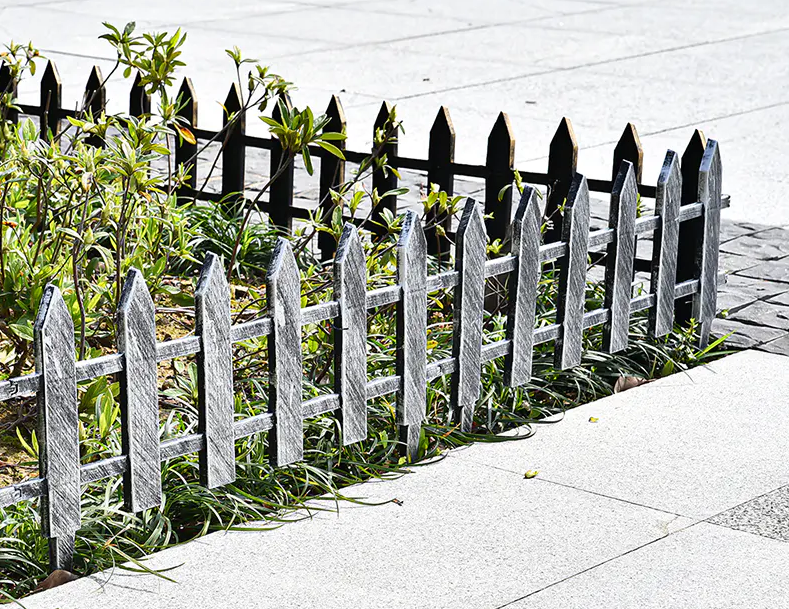
The WL-003 fence introduces gentle visual structure to these evolving spaces. With its traditional picket-style profile, the fence outlines borders without making the garden feel closed or restricted. The spacing between pickets allows plants to remain visible, ensuring that flowers and foliage remain the visual focus.
In practical terms, this structure can guide movement throughout a garden. Pathways become easier to identify when borders are clearly defined. Raised beds can be outlined to separate them from lawn areas. Even small balcony or courtyard gardens benefit from having designated planting zones, especially when multiple types of plants share the same limited space.
Protecting Plants From Common Garden Disturbances
One of the everyday challenges gardeners face is accidental damage. Children playing in the yard, pets exploring unfamiliar scents, or guests walking through the garden may unknowingly step on newly planted seedlings.
A lightweight protective boundary can significantly reduce this risk. The WL-003 plastic fence creates a subtle physical reminder that certain areas are meant for planting rather than walking. The moderate height helps discourage small animals from wandering into beds where vegetables or flowers are growing.
At the same time, the open picket spacing allows sunlight and air circulation to reach the plants without obstruction. Many gardeners worry that fencing might create shade or limit airflow. With this design, plants still receive sufficient light while gaining an added layer of protection.
This balance makes the fence useful in several everyday situations:
- Around vegetable patches where young plants are vulnerable
- Along flower beds near walkways
- Surrounding newly seeded lawn areas
- Protecting seasonal planting zones in community gardens
Durability Across Changing Weather Conditions
Outdoor structures must deal with constant environmental exposure. Rain, temperature changes, and wind can gradually affect traditional wooden borders. Wood may warp after repeated moisture exposure, while untreated surfaces sometimes require regular refinishing.
The WL-003 plastic construction is designed to handle seasonal weather without frequent maintenance. Plastic materials resist moisture absorption, which helps prevent swelling or cracking that sometimes appears in other garden edging materials.
Temperature fluctuations are another factor to consider. In many regions, gardens experience both hot summers and cool winters. Materials that expand and contract unevenly can loosen from the ground over time. Plastic fencing typically maintains its shape more consistently, which helps keep panels aligned along garden borders.
Wind stability also plays a role in outdoor installations. Although lightweight, the interlocking panel structure allows the fence to maintain placement when properly installed in soil. For homeowners who frequently rearrange their gardens or adjust layouts from year to year, this combination of durability and portability can simplify seasonal changes.
Flexible Installation for Changing Garden Plans
Gardens rarely stay the same for long. A vegetable bed might expand after a successful growing season, while decorative areas may shift as new plants are introduced. Garden boundaries therefore need to adapt without requiring extensive reconstruction.
The WL-003 modular fence panels are designed with this flexibility in mind. Individual sections connect easily, allowing homeowners to extend or shorten borders as needed. Because the panels are lightweight, they can also be repositioned when landscaping plans change.
This adaptability supports several practical applications:
- Expanding a vegetable garden after harvesting success
- Temporarily protecting newly planted shrubs
- Creating seasonal flower borders
- Rearranging decorative sections for outdoor events
For gardeners who prefer do-it-yourself projects, the installation process is straightforward. Pre-assembled panels reduce the need for specialized tools, and the fence can typically be installed within a short period of time.
Supporting Visual Harmony in Outdoor Spaces
Beyond its practical role, garden fencing also contributes to the visual rhythm of an outdoor area. Clean lines and evenly spaced pickets help frame plants in a way that feels organized without overwhelming the natural environment.
In cottage-style gardens, the picket design complements traditional planting arrangements filled with colorful flowers. In modern landscapes, the simple structure blends into minimalist layouts where greenery is the central focus.
The WL-003 fence can also support decorative landscaping ideas. Gardeners sometimes use borders to create layered visual depth, where taller plants stand behind lower flower beds. By outlining each layer with a subtle fence line, the overall layout appears more intentional.
Even in small outdoor areas such as patios or narrow backyard spaces, defining planting zones can make the space feel more organized and easier to maintain.

