


 日本語
日本語 Español
 Deutsch
 عربى
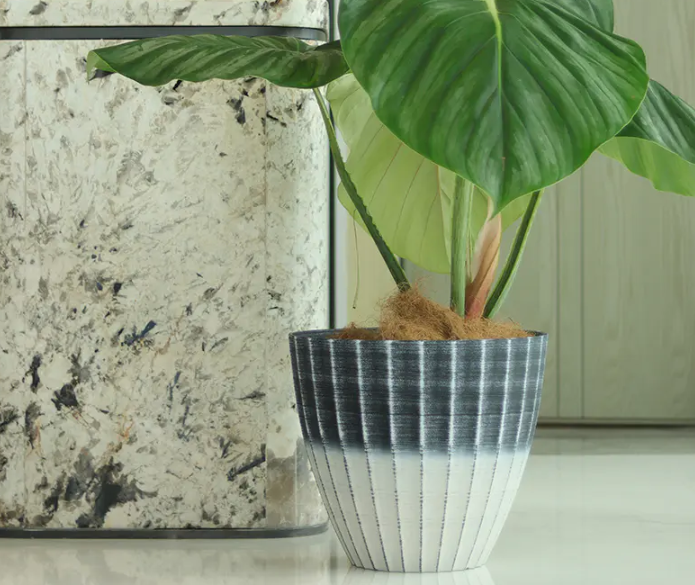
عربىLarge Indoor Decorative Flower Pots have gradually become part of modern home arrangements where open layouts are common. In apartments, loft-style interiors, and shared family spaces, homeowners often look for ways to divide areas without adding permanent walls or bulky furniture. Large Decorative Flower Pots offer a practical solution by combining greenery, decoration, and light spatial separation in one object.
Instead of fully closing off a room, tall plants in black-and-white flowerpots can visually organize daily activities while keeping the environment open and breathable. This approach is frequently used between dining areas and living rooms, beside reading corners, or near balcony entrances where flexible movement remains important.
Using Plants as Soft Dividers Instead of Hard Walls
Traditional room dividers can make indoor spaces feel smaller, especially in apartments with limited natural light. Large flower pots work differently because they define boundaries without creating visual heaviness. A tall leafy plant positioned between a sofa and dining table can naturally indicate separate functions while preserving openness.
Black and white planters are often chosen for this purpose because neutral colors blend easily with changing furniture styles. A matte black pot may match industrial interiors with metal shelves and wooden floors, while white flowerpots are commonly paired with Nordic-inspired spaces that focus on brightness and simplicity.
This method also allows homeowners to change layouts more freely. Unlike fixed partitions, flower pots can be repositioned according to seasonal needs, furniture updates, or family activities. During gatherings, plants may be moved closer to walls to create additional seating space. At other times, they can return to their role as visual separators.
Why Lightweight Plastic Flower Pots Matter Indoors
Large planters are usually associated with weight and handling difficulties, especially after soil and plants are added. Plastic flower pots reduce some of these concerns because the material itself remains relatively light compared with ceramic or cement containers.
The provided models show dimensions suitable for medium-to-large indoor plants:
|
Item |
Top Diameter |
Bottom Diameter |
Height |
|
XG-1 |
29.5 cm |
15 cm |
26.5 cm |
|
XG-3 |
40 cm |
20 cm |
36 cm |
The XG-3 size can support larger decorative plants such as fiddle leaf figs, rubber plants, bird of paradise plants, or artificial indoor trees commonly used in hotel-style living rooms. Meanwhile, the smaller XG-1 model works well for compact corners, side tables, or layered plant arrangements.
Plastic construction also reduces the risk of damage during movement. In homes with children or pets, this can become a practical consideration because accidental bumps are less likely to cause cracks or sharp fragments compared with fragile materials.
Matching Black and White Flowerpots With Different Interior Styles
Color coordination often determines whether decorative flower pots feel integrated or disconnected from a room. Black and white designs remain widely used because they can adapt to different decorative approaches without requiring major furniture changes.
In Nordic interiors, white flower pots are frequently paired with light wood furniture, beige fabrics, and soft natural lighting. The result feels clean and relaxed without excessive decoration. Plants with light green foliage such as monstera or peace lilies are commonly selected to maintain this atmosphere.
Industrial-style interiors often use black flowerpots alongside darker furniture, exposed metal structures, and concrete-texture surfaces. Large green plants help soften the stronger visual lines found in these spaces. The contrast between greenery and darker containers creates a balanced appearance without overwhelming the room.
Quiet home styles focused on reading, meditation, or calm evening routines also benefit from neutral flowerpots. Instead of becoming the center of attention, the containers support the overall atmosphere while allowing the plants themselves to provide visual warmth.
Placement Tips for Better Indoor Flow
Positioning large flower pots requires more than simply filling empty corners. The arrangement should support movement and lighting conditions while avoiding unnecessary clutter.
Near windows, taller plants can frame natural light without fully blocking it. In open kitchens connected to living rooms, two matching flowerpots can create a soft visual transition between cooking and resting spaces.
Along hallways, large planters should leave enough walking width so movement remains comfortable. Oversized arrangements placed too close together may interrupt the practical use of the area rather than improving it.
Another useful approach involves creating layered heights. Combining the taller XG-3 planter with smaller decorative pots nearby creates depth and prevents a flat appearance. This arrangement is commonly seen in cafes, reception areas, and modern apartments where visual variation helps soften simple layouts.
Cleaning and Maintenance Considerations
Indoor flower pots often remain in place for long periods, so maintenance affects both appearance and daily convenience. Plastic surfaces are generally easier to wipe clean compared with textured cement or porous clay materials that may absorb moisture stains.
For homes with indoor watering routines, lightweight planters also simplify temporary repositioning during cleaning. Homeowners can move the pots more easily when vacuuming, mopping, or adjusting furniture layouts.
Drainage management remains important for indoor use. Many users place trays beneath large flower pots to prevent excess water from reaching wooden floors or carpets. Choosing the correct plant size for each container also helps avoid unstable growth or overcrowded roots.

