


 日本語
日本語 Español
 Deutsch
 عربى
عربىUrban living continues to reshape the way people grow and display plants. Limited outdoor areas, balconies, and compact patios often require containers that balance functionality and visual appeal. A Painted Flower Pot, such as the ZJ06 Elegant Practical Painted Flower Pot, reflects this shift in gardening habits, offering a structured planter designed to support plant growth while complementing modern living environments.
Rather than functioning only as a decorative container, the planter integrates structural features that help address everyday gardening challenges, including drainage, airflow, and space management. These characteristics make it particularly relevant for households seeking practical planting solutions in confined areas.
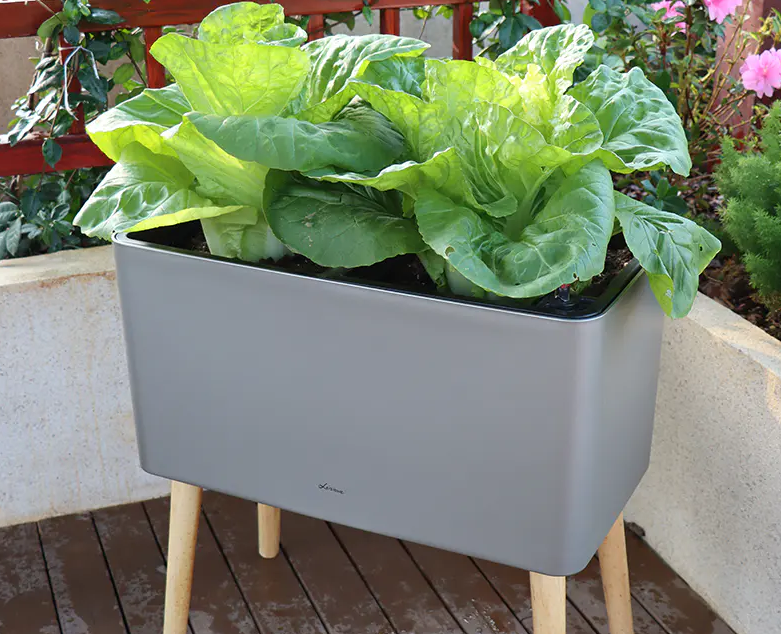
Elevated Structure Supporting Plant Health
One defining characteristic of the ZJ06 planter is its raised base design. Traditional pots often sit directly on surfaces such as tiles, wood decking, or balcony flooring.
Improved airflow allows excess moisture to evaporate more efficiently after watering or rainfall. This simple structural detail contributes to maintaining healthier root environments.
The raised design also helps reduce the likelihood of water pooling at the bottom of the pot. When soil remains constantly saturated, roots may struggle to access oxygen, which can slow plant development. A planter that naturally supports airflow and drainage helps create more balanced growing conditions for flowers, herbs, or leafy plants.
Practical Use In Balcony And Terrace Gardening
Balcony gardening has grown in popularity, especially in urban apartments where access to traditional garden space is limited. Containers used in these areas must meet several practical requirements: they need to fit narrow spaces, remain stable in windy conditions, and allow efficient use of available planting areas.
The rectangular format of the ZJ06 Painted Flower Pot allows it to align closely with walls, railings, or balcony edges. This layout makes it easier for residents to organize greenery without blocking walkways or reducing usable space.
For example, a series of planters placed along a balcony railing can create a continuous line of greenery while leaving central areas open for seating or movement. Herbs such as basil, mint, or parsley can grow alongside decorative flowers, forming a small but functional garden within a limited footprint.
Because the container offers a relatively spacious interior, gardeners can experiment with different planting combinations. A single larger plant may occupy the center of the pot, while smaller varieties fill surrounding areas, producing layered visual interest.
Supporting Diverse Plant Arrangements
Container gardening often requires flexibility. Some gardeners prefer growing individual plants with ample room for root development, while others arrange several smaller species together to create mixed displays.
The internal dimensions of the planter allow both approaches. Larger plants, including small shrubs or ornamental foliage plants, can benefit from the deeper soil volume that supports stable root growth. At the same time, the rectangular layout makes it possible to design compact plant groupings.
In practical terms, this might involve combining upright plants with trailing varieties. Upright plants provide structure and height, while cascading plants soften the container's edges and create movement within the display. This layered effect works particularly well on patios or terraces where planters contribute to the overall design of the outdoor space.
Surface Protection And Everyday Convenience
Garden containers can sometimes leave marks or moisture stains on flooring materials. Wooden decks, painted balcony surfaces, and indoor tiles may be sensitive to prolonged water exposure.
Because the ZJ06 planter reduces direct contact with the ground, moisture accumulation beneath the container becomes less of a concern. This feature helps protect surrounding surfaces while simplifying routine maintenance for homeowners.
The planter's stable base structure also helps prevent accidental tipping. Stability becomes particularly important in outdoor areas exposed to wind, where lightweight containers may shift or fall. A balanced planter design helps maintain position even when plants grow taller or heavier over time.
For indoor use, the same stability allows the planter to function as part of decorative plant arrangements in living rooms, entryways, or sunlit corners.
A Balanced Role Between Decoration And Function
Modern gardening containers increasingly serve a dual purpose: supporting plant health while contributing to interior or exterior design. The smooth painted surface and geometric form of the ZJ06 Painted Flower Pot make it adaptable to various visual settings.
In contemporary spaces with simple architectural lines, the planter's streamlined silhouette complements furniture, stone surfaces, or wooden decking. In more traditional environments, the neutral tones blend naturally with existing decorative elements.
Because the container does not rely on complex ornamentation, plants themselves remain the visual focus. Vibrant flowers, textured foliage, or cascading greenery create contrast against the planter's smooth surface, turning the planting arrangement into a subtle design feature.

