


 日本語
日本語 Español
 Deutsch
 عربى
عربىThe growing interest in intentional interiors has brought decorative objects with both visual and practical value into focus. Among them, YQ-1 Elegant Delicate Rattan Flower Pot has found attention for how it supports everyday plant styling while contributing to the atmosphere of a room. As a Rattan Flower Pot designed with sculptural softness and compact functionality, the YQ-1 Elegant Delicate Rattan Flower Pot offers more than a container for plants. It plays a role in organizing space, highlighting greenery, and helping users build calmer, more curated living environments.
A Decorative Object That Supports Plant Presentation
Many people selecting indoor planters focus on color or material, but shape often influences how a plant is perceived. The rounded profile of the YQ-1 shifts attention toward the plant's silhouette, particularly when used with bonsai, small succulents, compact ferns, or foliage with layered branching.
Because the vessel carries a soft, woven-inspired rattan aesthetic interpreted through a refined decorative form, it introduces texture without visually overwhelming surrounding objects. This matters in interior styling, where too many competing details can make smaller rooms feel crowded.
For users wondering whether decorative pots can affect the appearance of common houseplants, the answer is often yes. A thoughtfully proportioned pot frames the plant, much like a picture frame shapes artwork. Compact bonsai species, miniature jade plants, or trailing pothos often appear more intentional when displayed in containers that echo their natural rhythm.
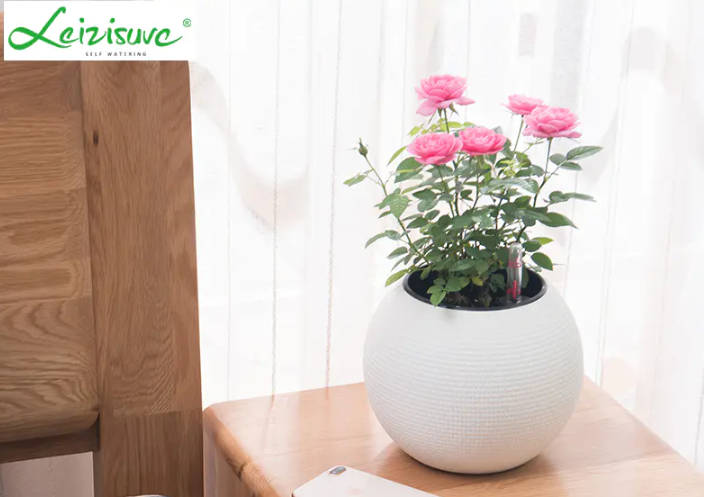
How the Pot Contributes to Space Planning
Small decorative objects often have a larger effect on space composition than expected. A flower pot can help define empty corners, soften hard furniture lines, or connect scattered décor elements into a more unified arrangement.
Placed on a coffee table, the YQ-1 can function as a visual center between books, candles, or ceramic objects. On floating shelves, it adds organic contrast among linear structures. On a windowsill, it introduces a softer transition between architecture and natural light.
In apartments or compact homes where every surface matters, decorative pieces often need to do multiple jobs. A planter that acts as both plant container and styling element helps reduce clutter while maintaining visual interest.
Users often ask whether smaller decorative pots are only suitable for minimal interiors. In practice, they can work across many styles:
- Modern spaces benefit from its clean curves.
- Natural-inspired interiors pair well with its woven character.
- Classic décor settings often use rounded vessels to soften structured furniture.
- Office desks can use compact planters to reduce the rigid feel of work environments.
Its adaptability comes less from trend-driven styling and more from balanced proportions.
Using YQ-1 for Everyday Living Scenes
One reason decorative planters remain popular is their ability to shift mood in ordinary routines. Styling with plants is not only about decoration; it often influences how people experience daily spaces.
In a reading corner, a bonsai placed in the YQ-1 beside books and soft lighting can create a quieter visual zone. In dining areas, a petite foliage arrangement can work as a seasonal centerpiece without requiring elaborate table styling.
Bedrooms often benefit from restrained decorative accents rather than crowded ornamentation. A single sculptural planter on a bedside shelf may bring enough natural presence without overwhelming the room.
Workspaces present another practical use. Many remote workers introduce plants to desks to soften digital-heavy environments. Compact decorative pots fit limited surfaces while keeping maintenance manageable.
Even entryway consoles can benefit. A small botanical display near a doorway often creates a welcoming impression while bringing continuity between indoor design and natural elements.
These applications show why decorative flower pots are often chosen not just for planting, but for spatial storytelling.
Pairing the Pot With Other Decorative Elements
Another practical question many buyers ask is how to style decorative planters beyond placing them alone.
The YQ-1 works effectively when grouped with objects of varied height and texture. A common styling method is the “three-layer arrangement”:
- A low sculptural object, such as the pot
- A medium-height stack of books or a tray
- A taller element, such as a lamp or framed art
Materials also matter. Because the pot carries subtle organic references, it often pairs naturally with wood surfaces, linen textiles, glass accessories, and matte ceramics.
Seasonal styling can also shift around it:
- Spring may introduce flowering mini plants.
- Summer styling often favors leafy greens.
- Autumn arrangements can include dried botanical accents nearby.
- Winter interiors often pair compact greenery with candlelight or warm textures.
Decorative Objects and Mindful Living
Interest in home décor increasingly overlaps with wellness-oriented design. Rather than filling rooms with more objects, many people look for pieces that create calm through restraint.
A flower pot may seem small in that context, but repeated visual interactions matter. Seeing greenery framed within a balanced object can encourage small pauses throughout the day, whether watering a bonsai, adjusting a display, or simply noticing changing light across leaves.
That connection between décor and routine is often why plant styling remains enduring rather than purely trend-based.
The YQ-1 supports this through compact scale, sculptural presence, and a form that encourages simple but thoughtful arrangements.
Rather than demanding attention, it quietly participates in the atmosphere of a room.

